Why Singapore’s Education System Sets a Global Standard
When you hear “top-performing students,” chances are Singapore comes to mind. Year after year, this small island nation dominates global education rankings across math and science, literacy, and critical thinking.
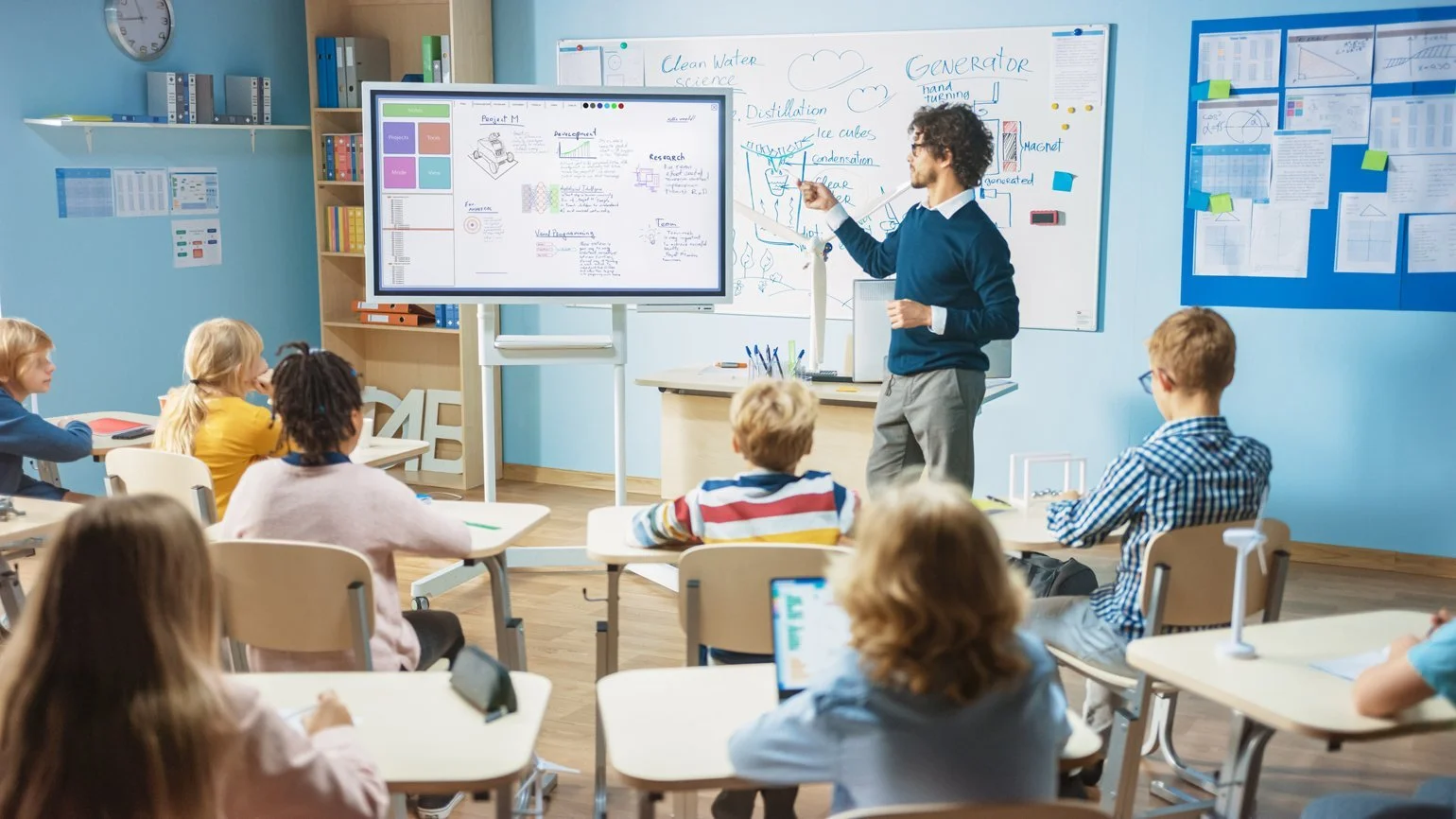
Imagine a classroom where innovation meets structure, where curiosity is not punished but guided, and where teachers are not just instructors but mentors who shape thinkers and problem-solvers.
That is the everyday reality in Singapore’s schools. It is a system that does not just prepare students to pass tests, but also prepares them to navigate life with confidence and purpose.
How did a tiny nation with few natural resources manage to create one of the most admired education systems in the world? Let’s dive into what makes Singapore’s approach not only effective but truly inspiring.
The secret behind Singapore’s academic magic
Ever wondered what really fuels Singapore’s academic brilliance? It is not just about strict discipline or endless homework, but about a culture of curiosity and consistency.
Students here are not merely chasing grades. They are trained to think, question, and solve real-world problems from a young age. The classrooms are less about memorization and more about mastering independent thinking.
The system’s strength lies in its balance. Yes, it is demanding, but it is also incredibly supportive.
Teachers are treated as professionals, continuously trained to stay ahead of the curve. The government, schools, and parents work in sync, ensuring every child receives both opportunity and direction. It is not a race, it is a well-orchestrated journey. While the schools also suggest students to seek assignment writing help services.
And maybe that is what makes Singapore stand out. It is not just an education system, but also an ecosystem built on discipline, innovation, and community.
What makes Singapore’s teaching approach so unique?
It is not about stuffing facts or staying up all night memorizing textbooks. Teachers in Singapore act like mentors, not just instructors. They encourage critical thinking, creativity, and curiosity in every lesson.
Students learn to apply concepts, not just recite them. And that is a big reason why their education system produces such adaptable, confident learners.
How do students handle the pressure?
Sure, the workload is real, but so is the support. Schools focus on resilience and emotional well-being alongside academics.
Many classrooms now include mindfulness sessions, peer guidance programs, and flexible learning paths. The aim is progress, not perfection. Students learn that setbacks are not failures.
Why Are Singaporean Teachers So Respected?
In Singapore, being a teacher is a badge of honor. Educators go through rigorous training and continuous professional development.
They are given time, trust, and tools to innovate. This respect for teachers creates a ripple effect. Students feel inspired because their mentors genuinely care and take pride in their growth.
Is Technology Changing the Learning Game?
Absolutely. From AI-assisted learning platforms to interactive classrooms, technology has become a natural Part of education here.
But it is not used to replace teachers. Rather, it enhances learning. Digital tools make lessons engaging and personalized, helping students grasp concepts faster and retain them longer.
How does the system balance rigor with creativity?
Singapore’s education Model is often praised for its academic excellence, but what is remarkable is how it balances structure with imagination.
Students are not boxed into one way of thinking. While subjects like math and science demand precision, there is equal emphasis on arts, design, and innovation programs.
Schools encourage students to explore beyond textbooks by joining clubs, participating in competitions, and taking on community projects that stretch their creativity. This mix of rigor and imagination helps shape students who can both analyze and innovate.
What role do parents play in the education journey?
Parents in Singapore are active partners, not just passive observers. From early childhood, parents are encouraged to collaborate with teachers, track progress, and provide emotional support at home.
It is common for families to see education as a shared mission rather than an individual pursuit. This partnership builds consistency and motivation in students, who feel supported at every step.
How does early education shape lifelong success?
It all starts early. Preschool education in Singapore focuses on curiosity, social skills, and emotional intelligence rather than rote learning.
Children are exposed to bilingual education and problem-solving exercises before they even start primary school. The goal is to build confident, curious learners who love the process of discovery.
By the time they reach higher grades, these children already understand how to learn effectively.
What about lifelong learning beyond school?
Singapore’s education does not end at graduation. It evolves with the individual. The government heavily promotes upskilling programs and adult learning initiatives through platforms like SkillsFuture.
Everyone is encouraged to keep learning new skills to stay relevant, regardless of their age. This lifelong learning culture transforms education from a one-time achievement into a continuous journey of growth.
How do schools prepare students for the real world?
Real-world readiness is at the heart of Singapore’s curriculum. Students are not only taught subjects but also essential life skills such as communication, collaboration, adaptability, and leadership.
Project-based learning and internships are common, bridging the gap between classroom knowledge and professional application. By the time students step into the workforce, they are totally prepared.
Students can also seek assistance from professionals and ask them, “Do My Assignment in Singapore.”
Why is character education so important here?
Beyond academic results, Singapore strongly emphasizes character and citizenship education. Students learn about integrity, empathy, respect, and social responsibility. The education system believes that intelligence means little without values, and that this principle defines the nation’s collective success.
What keeps Singapore ahead of the curve?
Adaptability. The country constantly re-evaluates and upgrades its education strategies from revising curricula to integrating emerging technologies. Singapore never fails.
The Ministry of Education works closely with educators, researchers, and even students to ensure learning stays relevant in a digital-first world.
Conclusion
Singapore’s education system proves that excellence is not born from pressure, but built through purpose. It is a Model where discipline meets creativity, and ambition walks hand in hand with empathy.
From nurturing curious preschoolers to empowering lifelong learners, Singapore has created an environment where education goes far beyond classrooms and exams.
At its core, it is to shape capable, confident, and compassionate individuals who can thrive in an ever-changing world. And that is what truly sets Singapore apart.