ChatGPT for Students: Advantages and Limitations
Almost every student today has typed a question into ChatGPT, whether it’s for an assignment, a confusing lecture topic, or just to double-check an answer before submitting it. It has become part of how students study, not something they turn to occasionally.
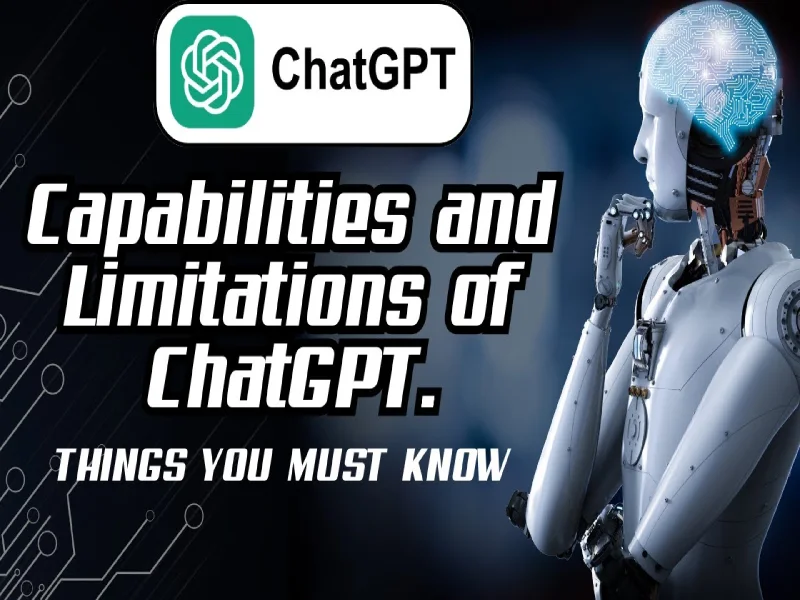
But using it well is different from using it a lot. Some tasks genuinely get easier and faster with ChatGPT. Others end up weaker if you lean on it too much, especially when accuracy or original thinking is involved. This blog looks at both sides honestly: where ChatGPT actually helps students, and where it falls short in ways that aren’t always obvious until you’ve already submitted the work.
How Students Are Actually Using ChatGPT
For most students, ChatGPT isn’t a special tool they open for big projects. It’s the thing they turn to for smaller, everyday tasks: explaining a topic they missed in class, summarising a long reading before a tutorial, or getting a starting point for an essay when they’re not sure how to begin.
This shift reflects the growing role of technology in Singapore’s education system, where students are used to learning alongside digital tools rather than relying only on textbooks and classroom notes. ChatGPT fits naturally into that pattern. It’s available at odd hours, it doesn’t need an appointment, and it can break down a dense concept into something easier to follow within seconds.
Essay brainstorming is one of the most common uses. Instead of staring at a blank page, students ask for a few possible angles or a rough outline, then build their own ideas from there. Used this way, it saves time without replacing the actual thinking the assignment requires.
The Real Benefits of Using ChatGPT
Used the right way, ChatGPT genuinely makes studying easier, not just faster. It doesn’t replace effort, but it removes a lot of the friction that usually slows students down.
Round-the-Clock Help
There’s no need to wait for office hours or a free tutorial slot. If you’re stuck at midnight before a deadline, it can walk you through the concept right then, without any delay.
Exam Preparation Support
It can turn a syllabus into practice questions or simple flashcards, which makes revision more structured instead of just re-reading notes over and over.
Support for Non-Native English Speakers
Students who find academic English harder to navigate can ask it to simplify complicated phrasing or explain unfamiliar terms without feeling judged for asking.
Writing and Editing Help
From fixing grammar to reworking an awkward sentence, it’s useful for tightening up a draft before submission, especially when you’re too close to your own writing to spot the mistakes. The same applies to coursework beyond essays. A student who need help in business plan, for instance, might use it to clean up structure and phrasing before sending the draft for a proper review.
Getting Better Results Out of ChatGPT
How you use ChatGPT changes what you actually get out of it. A vague question gets a vague answer, while a clear, specific one gets something you can actually use.
Be Specific With What You Ask
Instead of asking it to explain photosynthesis, ask it to explain it the way you’d need for a Grade 10 biology exam. The more context you give, the more useful and accurate the response becomes.
Ask It to Show Its Reasoning
Requesting the reasoning behind an answer, not just the answer itself, helps you spot mistakes and actually understand the concept instead of copying it.
Review Before You Use It
Treat every response as a first draft, not a final one. Reading it critically, checking it against your notes, and correcting anything unclear helps you learn the material instead of just outsourcing it.
This applies beyond schoolwork too. Whether it’s a class assignment or a work task, the same habit of reviewing before using saves you from repeating the same mistakes twice.
The Limitations You Should Know About
For all its convenience, ChatGPT has real limitations that aren’t always obvious until after you’ve submitted the work.
It Can Sound Confident and Still Be Wrong
ChatGPT sometimes generates facts, statistics, or sources that don’t actually exist, but presents them with the same confidence as accurate information. If you don’t fact-check what it gives you, incorrect details can end up in your final submission without you realising it.
Overusing It Can Weaken Your Own Thinking
When ChatGPT is used to answer every question or write every paragraph, students stop practising the skills the assignment is meant to build. Critical thinking and analysis develop through struggle, not shortcuts, and relying on AI too often quietly removes that practice.
Its Responses Aren’t Always Neutral
Because it’s trained on existing online content, ChatGPT can reflect biases already present in that data. On topics involving opinions, culture, or social issues, its answers may lean one way without stating it clearly.
It Predicts Language, It Doesn’t Understand It
ChatGPT works by predicting the next likely word in a sentence, not by verifying whether something is actually true. This is exactly why many students still turn to Singapore’s Assignment Help Company for reviewed, human-checked work rather than relying on AI output alone.
Why Human Guidance Still Matters
AI can support your work, but it can’t take responsibility for the accuracy, originality, or quality of what gets submitted. That part still needs a human eye.
This is where working alongside real academic support makes a difference. Assignment writing services help students in Singapore fill exactly this gap, offering the kind of oversight AI simply can’t provide:
- Checking facts and sources properly, instead of assuming they’re correct
- Giving honest feedback on structure, argument, and clarity
- Ensuring the work reflects your own understanding, not just a generated draft
- Catching errors or inconsistencies before submission, not after
ChatGPT works well as a starting point, but the final version of any assignment benefits from someone who can actually verify it’s right.
Thinking Beyond Day-to-Day Assignments
ChatGPT is useful for daily study tasks, but bigger academic decisions need more than quick answers.
Choosing What Comes Next
Students exploring top overseas study options often turn to ChatGPT for a general idea of universities, courses, or entry requirements. It’s a reasonable starting point, but this kind of decision affects years of a student’s life and finances, not just one assignment.
Where AI Falls Short in Bigger Decisions
Course structures change, admission criteria get updated, and scholarship details vary by intake. ChatGPT can’t always reflect the most current information, and getting these details wrong can cost time or money later on.
Getting It Right the First Time
For decisions like these, speaking to someone with direct experience in overseas admissions, or researching directly through official university sources, gives a far more reliable picture than relying on a chatbot alone.
Getting the Right Support When You Need It
Once you know where ChatGPT helps and where it doesn’t, the next step is knowing where to go for the rest. A few practical options:
- Start with ChatGPT for the basics, using it to understand a topic, get a rough outline, or check grammar before you move further.
- Identify the tasks that need real accuracy. Research-heavy essays, technical reports, and anything requiring citations should be reviewed by someone qualified, not just AI-generated.
- Order assignments when the workload gets heavy. If deadlines are stacking up across subjects, getting focused help on specific assignments is often more practical than trying to manage everything alone.
- Get proper support for specialised coursework. A detailed project report or a subject-specific assignment needs accuracy and formatting AI often gets wrong, so it’s worth having it checked by someone experienced in that area.
- Keep the final review human. Whatever tools you use along the way, a human check before submission catches what AI consistently misses.
Things Students Often Ask About ChatGPT
1. What shouldn’t you share with ChatGPT?
Avoid sharing personal identification, financial details, passwords, confidential coursework files, or private health information. Anything sensitive should stay out of the chat.
2. Does ChatGPT struggle with reasoning and math?
Yes. It can perform well on simple calculations but often gets multi-step reasoning, logic puzzles, or complex math wrong, especially when a question is worded in an unusual way.
3. Is ChatGPT’s Study Mode useful for actual studying?
Yes, when used properly. Instead of giving direct answers, it asks guiding questions and breaks concepts down step by step, which suits students trying to understand a topic rather than just finish an assignment.
4. Does ChatGPT know about recent events?
Not always. Its knowledge is based on the data it was trained on, so it can be outdated or incorrect about very recent developments unless it has live search enabled.
5. Why does ChatGPT sometimes get simple questions wrong?
It generates responses by predicting likely word patterns, not by applying real-world logic or common sense, so it can occasionally struggle with basic counting or tricky wording.
Conclusion
ChatGPT works well for what it’s actually built for: quick explanations, brainstorming, and cleaning up a draft. It’s fast, available anytime, and genuinely useful for the smaller, everyday parts of studying.
Where it consistently falls short is accuracy, originality, and judgment, the parts of academic work that still need a human to verify. Knowing that difference is what makes the tool useful instead of risky.
Use ChatGPT for speed and a starting point. Rely on qualified people for accuracy and the final review. That balance is what actually protects your grades.

As the author of the blog at SingaporeAssignmentHelp.com.sg, I provide practical guidance on academic writing challenges, breaking down complex project requirements into simple, easy‑to‑follow steps. My posts cover essays, assignments, business plans and research writing, helping learners understand what professors expect and how to meet those standards effectively. I aim to help students in completing work confidently, improving grades and reducing academic stress while navigating university and college requirements with clarity and success.