How to Avoid Plagiarism in University Assignments

It’s 11 PM. Your assignment is due at 2 AM. You’ve got three tabs open, one half-written paragraph, and you just copied and pasted an entire section into your doc “just to reference later.” You tell yourself you’ll rewrite it. You probably won’t.
This isn’t a story about bad students. It’s about a situation most university students in Singapore have been in at least once: deadline pressure, an empty page, and sources that say exactly what you need to say, but better than you think you can. The problem isn’t intention. It’s knowing what to do instead.
This is not a lecture. No policy quotes, no horror stories. Just practical guidance on how to actually handle your assignments without putting your academic record at risk.
Plagiarism Isn’t Always What You Think It Is
Most students picture plagiarism as copying someone’s paragraph word-for-word. That’s the obvious one. But the cases that actually flag students are usually much smaller and way easier to miss.
You paraphrase a source but keep the same sentence structure, just swapping a few words. That counts. You forgot to add an in-text citation even though the source is in your reference list. That counts too. You reuse a section from an assignment you submitted last semester for a different module without flagging it. Still, plagiarism is detected even though it’s your own work. You build your entire argument around one source’s logic and flow, just reworded. Also flagged.
This is where understanding the Key Characteristics of Academic Writing actually works in your favour. Original argument, proper attribution, and your own voice carrying the analysis. When your writing genuinely reflects those standards, the gap between your work and a copied version is obvious to any marker.
None of these is a special trick. They’re just habits that take a bit of practice to build.
The Real Reasons Behind Unintentional Plagiarism
Nobody sits down thinking “I’m going to plagiarise today.” It usually starts with a packed week three assignments due, a part-time job, family stuff, and one module you genuinely don’t understand. So you read a source, you’re not sure how to say it differently, and you end up quoting it more closely than you should. That’s it. That’s how most of it happens.
A few situations that push students there without them realising:
- Reading a source too many times before writing, so its wording sticks in your head
- Not knowing the citation format for that specific module
- Writing under time pressure and skipping the “rewrite in your own words” step
- Assuming paraphrasing means changing a few words around
The issue isn’t effort, it’s usually a gap in technique or time. Both are fixable. The next sections cover exactly that.
How to Paraphrase Without Losing the Point
Most students paraphrase by opening a source, reading a sentence, and rewriting it next to the original. That’s where it goes wrong you’re too close to the wording, so your version ends up sounding like a slightly shuffled copy.
The fix is simpler than it sounds:
Read the passage. Close the tab or turn the page. Write what you understood in your own words. Then go back and check if the meaning held.
That gap between reading and writing is what actually forces your brain to process the idea instead of mirroring the phrasing.
See the difference:
Too close: “Students often engage in plagiarism due to the pressure of academic deadlines and insufficient time management skills.”
Proper paraphrase: “Deadline stress and poor time planning are two of the biggest reasons students end up copying without meaning to.”
Same idea, different construction, your voice.
These aren’t complicated techniques. They’re the kind of Study Tips For Students In Singapore that actually make a difference when you’re pushing through dense readings the night before a submission.
One more thing: always cite a paraphrased idea. Your own wording doesn’t make the source disappear.
Citations Are Where Most Students Lose Marks Without Knowing
You spent hours researching, writing, and paraphrasing. But if the citation isn’t there, the marker can’t tell the difference between your original thought and something you lifted. That’s the part most students don’t think about until it’s flagged.
The mistakes that come up most often:
Reference list without in-text citations
Your bibliography looks complete, but you forgot to add the (Author, Year) inside the paragraph where you actually used the idea. Both need to be there. One doesn’t replace the other.
Only citing direct quotes
Paraphrased ideas need citations too. If the thought came from a source, the source gets credited, regardless of whether you used their exact words.
Wrong source cited
You read three articles, merged the ideas, and cited the wrong one. It happens when you’re working fast. A quick cross-check before submission catches this every time.
Module format ignored
APA, Harvard, and Chicago each module often specifies one. Using the wrong format isn’t just messy. It can be flagged as incorrect referencing.
Some students use SingaporeAssignmentHelp Services specifically to get clarity on how citation formats work across different modules, not to have work done for them, but to understand the standard before they submit.
The simplest habit: cite as you write. Don’t leave it for the end.
What Kind of Academic Help Is Actually Acceptable
At some point, most students have thought about it. The assignment is due, you don’t know where to start, and paid help is one search away. That’s not a character flaw. That’s what happens when workload and deadlines don’t line up.
The honest truth is that getting help isn’t the problem. What kind of help do you get?
What actually counts as support:
- A tutor walking you through a concept you didn’t understand in class
- Someone reviewing your draft and pointing out weak arguments
- Using a model answer to understand structure, then writing your own
These keep you in the work. You’re still thinking, still producing, still learning.
When students cross into trouble is usually when the pressure peaks. The impulse to just pay someone to write my assignment feels like the only option at 1 AM with a 9 AM deadline, but what gets submitted under your name is your academic responsibility, regardless of who wrote it.
Before you use any academic service, ask yourself:
Is this helping me produce better work, or replacing my work entirely? That distinction matters more than most students realise.
Knowing how to Avoid Academic Penalties While Buying Assignments isn’t about finding loopholes. It’s about understanding that any support worth using should make you more capable, not more dependent. Universities aren’t just checking submissions. They’re checking patterns over time.
Before You Hit Submit, Do This First
Most students do a final read and call it done. That’s usually where avoidable mistakes slip through: a missing in-text citation, a paraphrased idea with no source, or a reference in the list that doesn’t match anything in the text.
Ten minutes before submission is enough to catch most of it.
Run it through a plagiarism checker
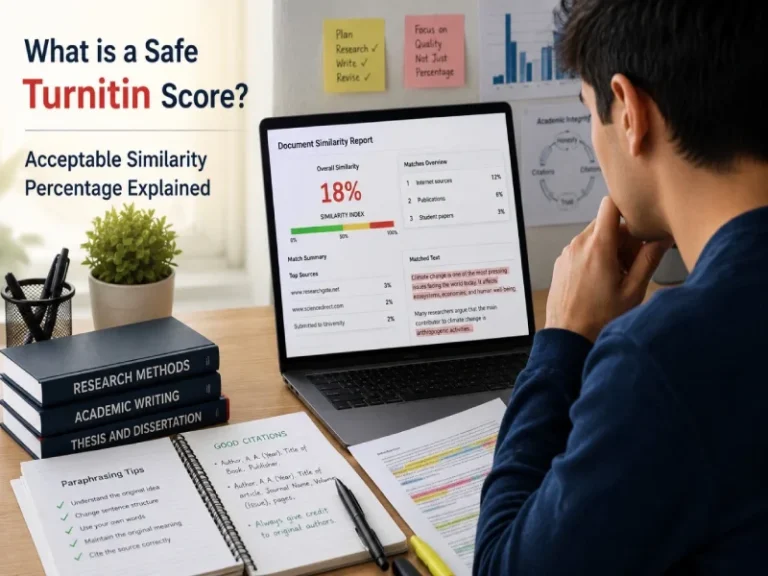
Turnitin isn’t just for lecturers. Many universities give students access before the final submission. Use it on your own draft first, not to game the score, but to spot sections that read too close to a source.
Check that every in-text citation has a matching reference
Go through each (Author, Year) in your body and confirm it appears in your reference list. Then do it the other way: every source in your list should appear somewhere in the text.
Read it out loud once
This catches sentences that don’t sound like you, which is often where borrowed phrasing hides.
The standard isn’t complicated. Industry-Vetted Business Plan Writers work under the same basic expectations, original thinking, sourced data, and clear attribution, and those are exactly what your university is looking for in academic writing. The format is different, but the principle isn’t.
If everything checks out, you’re good to submit.
FAQs
What are the most common types of plagiarism in university assignments?
Poor paraphrasing, missing in-text citations, reusing old submissions, and borrowing someone’s argument structure without credit.
How can students in Singapore avoid plagiarism?
Cite as you write, paraphrase with the source closed, and run a plagiarism check before submitting. These three habits cover most cases.
Is getting academic help considered plagiarism?
Only if you submit work that isn’t yours, feedback, tutoring, and structure guidance are fine. The issue starts when someone else’s work goes in under your name.
One Last Thing Before You Submit
Avoiding plagiarism doesn’t require a perfect system. It requires a few consistent habits, such as citing as you write, paraphrasing with the source closed, and doing a quick check before anything goes in.
The students who rarely deal with academic integrity issues aren’t smarter or more careful by nature. They’ve just made these small steps automatic over time.
Start with your next assignment. Not a complete overhaul, just one habit added. Cite while you draft. Paraphrase without looking. Run the checker before you submit.
That’s genuinely all it takes to keep your academic record clean and your work yours.

As the author of the blog at SingaporeAssignmentHelp.com.sg, I provide practical guidance on academic writing challenges, breaking down complex project requirements into simple, easy‑to‑follow steps. My posts cover essays, assignments, business plans and research writing, helping learners understand what professors expect and how to meet those standards effectively. I aim to help students in completing work confidently, improving grades and reducing academic stress while navigating university and college requirements with clarity and success.