
The Role of Technology in Singapore Classrooms
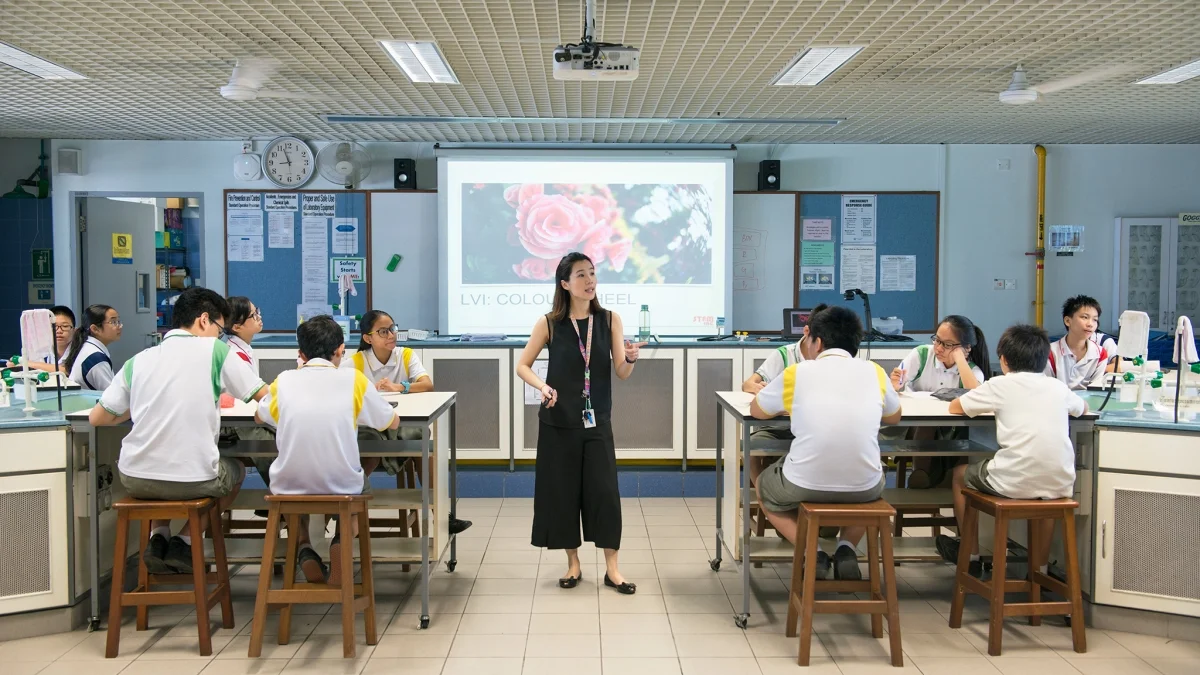
Imagine a classroom where students just don’t take notes or listen to the lectures. But they interact, explore, and create. While this is still a dream in most developing countries, Singapore is popular for adapting to incredible approaches that work in favor of an interactive classroom environment.
In Singapore, this was made possible by their quick adoption of technology, which did half the job. Smartboards have replaced conventional blackboards, notebooks have been replaced by gadgets, and much more has happened in the last few years.
The impact is surely uncanny; it isn’t just limited to students, but teachers are also leveraging the power of technology. They can now create creative lesson plans and engage kids in meaningful activities.
As we know, technology is playing its part; let’s understand how it is improving the education system and shaping the minds of the next generation.
Key Ways Technology Is Enhancing Education
The classrooms across Singapore are undergoing an incredible transformation as schools integrate digital tools into everyday teaching. You must understand that technology is no longer just an add-on; teaching now depends on it.
Technology is shaping how lessons are delivered and how teachers manage classrooms. In short, there’s a lot going on ever since technology was introduced to academics. Even if you take any assignment writing help, they are relying on it for research purposes.
Now that we know this, let’s discuss six important ways technology is improving the education system and classroom experience.
1. Interactive and Engaging Lessons
Gone are the days when classrooms were echoed with the lectures of teachers. Students no longer copy notes from the board because technology has transformed the lesson into an interactive experience.
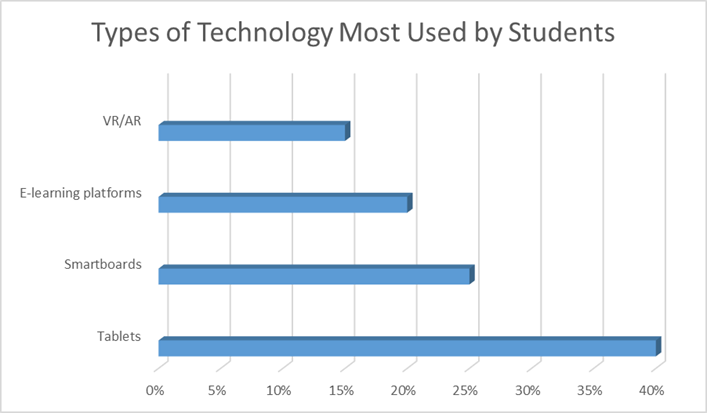
Smartboards, tablets, and educational apps are now a part of the study plan. Students can participate via gadgets and complex visual concepts. The most interesting part is that learning has now been gamified. Teachers rely more on quizzes and multimedia presentations to make learning fun.
This isn’t just to keep students interested, but the tools are used to help them understand on a deeper level. Students can now ask questions, experiment, and receive feedback instantly. Plus, teachers can also monitor their participation in real time.
2. Tailored Learning for Every Student
Technology has changed the way students are learning. Since every student is different, it now allows learning to fit the needs of students. Platforms and apps now adjust the lessons to the pace of students. Depending on how fast they learn or which topic they find difficult, it tailors the lesson so students can grasp it better.
Students who understand the topic quickly can move ahead, while others may take additional time to clear their concepts.
Teachers also love these smart tools because they can track each student’s progress and how they are doing. They can even evaluate which students need more attention and craft a better lesson for them.
3. Collaborating Beyond the Classroom
Students don’t need to be together to participate with each other. Even when they are not in the classroom, they can collaborate via online platforms, group apps, and discussion tools. They can share their ideas, work on the same projects, and help each other understand the assignment without meeting physically.
Teachers are also enjoying the idea of tracking progress via those smart apps. They can give feedback to students and check what they are doing and how they are resolving the given problem.
Overall, it has turned out great for both teachers and students. Mainly for students, as they can discuss their ideas with their classmates outside school hours.
4. Learning Without Borders
Students go beyond books to learn and understand a new concept. With technology, they can now access learning materials from anywhere in the world. Online courses and digital resources give them the opportunity to explore the topic. The best part is the incredible exposure they get since the learning is no longer just within the four walls.
Study resources don’t only have to be digital books, but also people. Previously, you could only rely on teachers and professionals of your own school. But now you can join international projects and courses where you can interact with many experts. You can even find the best website to write my essay and get a professional job done.
By this ‘learning without limits’ approach, students are learning better and developing skills.
5. Empowering Teachers with Smart Tools
If you think only students are benefiting from the technology, then you’re wrong. Teachers’ lives have become much more efficient with it. There are tools for grading, lesson planning, tracking progress, and creating presentations. This allows them to save time, which they can invest in other important tasks.
Online resources are helping them to learn more about their subject. They no longer rely on the typical study practices of their own country but learn what’s happening in other parts of the world.
Last but not least, they can now create better and more interactive lessons. They get ideas on how to add engaging quizzes or activities. That’s how they make the classroom more productive.
6. Preparation for Future Skills
Technology in the classroom helps students get ready for the job market and future challenges. Because they interact with more gadgets, apps, and smart tools, they understand how they work. This goes in their favor.
They learn digital skills and coding, which develop abilities that are useful for any career. Precisely, they will be more likely to adopt technology in the workplace.
Challenges to Consider
While technology greatly improves learning, it also brings some challenges. Schools must address these main issues, including:
- Too much screen time for students.
- Balancing technology with conventional learning.
- Need for teacher training in tech.
- Dependency on devices and gadgets.
Final Thoughts
Long story short, technology is surely making every classroom interactive, personalized, and connected. Because schools in Singapore are adapting to digital tools, they are better prepared to tackle future challenges. The key is to use technology without replacing the human element.

As the author of the blog at SingaporeAssignmentHelp.com.sg, I provide practical guidance on academic writing challenges, breaking down complex project requirements into simple, easy‑to‑follow steps. My posts cover essays, assignments, business plans and research writing, helping learners understand what professors expect and how to meet those standards effectively. I aim to help students in completing work confidently, improving grades and reducing academic stress while navigating university and college requirements with clarity and success.